
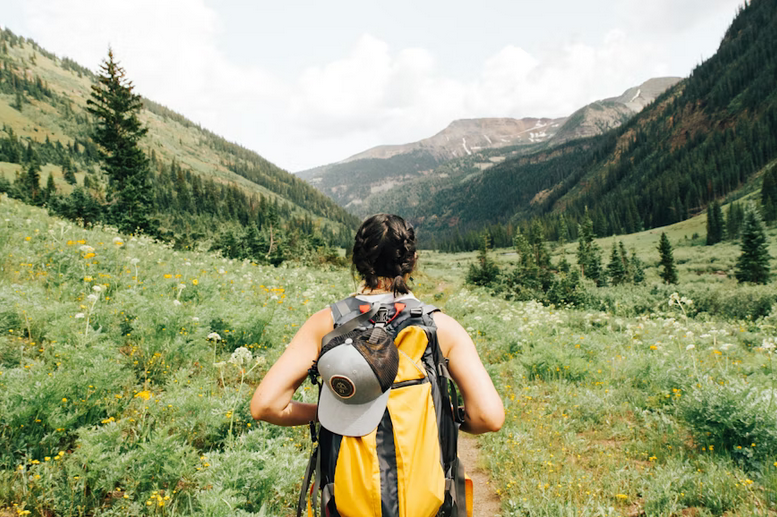
Travel experiences often become the most memorable when they challenge people to step beyond familiar routines and embrace the unexpected. Outdoor adventures encourage travelers to face physical, mental, and emotional challenges as they explore unfamiliar environments and engage in new activities. Experiences offered by Kaitiaki Adventures highlight how activities such as rafting and guided outdoor excursions inspire confidence, resilience, and a stronger connection with nature. Whether navigating fast-moving rivers or tackling demanding terrain, these moments push individuals to adapt and grow in ways that traditional travel rarely provides. This article explores how outdoor adventures help travelers move beyond their comfort zones and discover new levels of personal growth and excitement.
Exposure to Unfamiliar Environments and Conditions
One of the main ways outdoor adventures challenge travelers is by exposing them to environments they do not regularly experience. Natural settings can include varying weather conditions, uneven terrain, and remote locations that require constant adjustment. Unlike controlled urban environments, outdoor spaces often involve unpredictable elements that influence movement and decision-making. Travelers must learn to navigate these conditions while adapting to changing circumstances. This exposure encourages flexibility and resilience, as individuals become more aware of their ability to function in unfamiliar situations.
Physical Challenges and Personal Endurance
 Outdoor activities often involve physical effort that differs from the physical demands of daily routines. Long hikes, water-based activities, or mountain climbs require stamina, coordination, and persistence. These physical demands can reveal personal limits while also encouraging individuals to test their endurance. The process of completing physically demanding experiences often requires travelers to continue despite discomfort or fatigue. This interaction with physical challenge contributes to personal growth by showing individuals how they respond under pressure and unfamiliar strain.
Developed Confidence Through Problem Solving
Outdoor adventures often require travelers to solve problems in real time. Situations such as route navigation, adapting to weather changes, or managing equipment encourage active decision making. These experiences demand practical thinking and the ability to respond effectively without relying on familiar support systems. As travelers overcome challenges, they develop confidence in their ability to manage uncertainty. This growth in self-reliance is closely connected to the experience of stepping outside established comfort zones and handling situations independently.
Psychological Adjustment and Emotional Adaptation
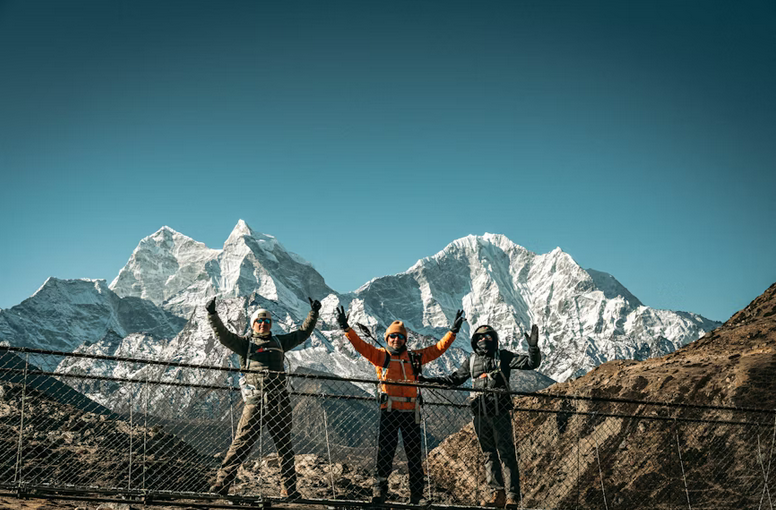
Beyond physical challenges, outdoor adventures also influence emotional and psychological responses. Being removed from familiar routines can create feelings of uncertainty or vulnerability, especially in remote or demanding environments. Travelers often face situations where patience, adaptability, and emotional control become important. Over time, repeated exposure to these conditions can increase comfort with uncertainty and improve adaptability. This emotional adjustment is a significant aspect of how outdoor adventures contribute to personal development and broaden individual perspectives.
Outdoor adventures push travelers outside their comfort zones by exposing them to unfamiliar environments, physical challenges, and unpredictable situations. These experiences foster adaptability, problem-solving, and emotional resilience by directly engaging with changing conditions. By requiring individuals to move beyond familiar routines and respond to new demands, outdoor adventures create opportunities for personal growth and increased self-awareness. Understanding this process highlights how travel experiences in natural settings influence both physical and psychological development.